Todd Osborn | January 15, 2026
The Right to Repair Edition
On the death of tinkering, sealed boxes, and owning vs. using.
Todd Osborn (TO) is a United States Air Force Weapons Systems veteran. He is currently building a flight school.
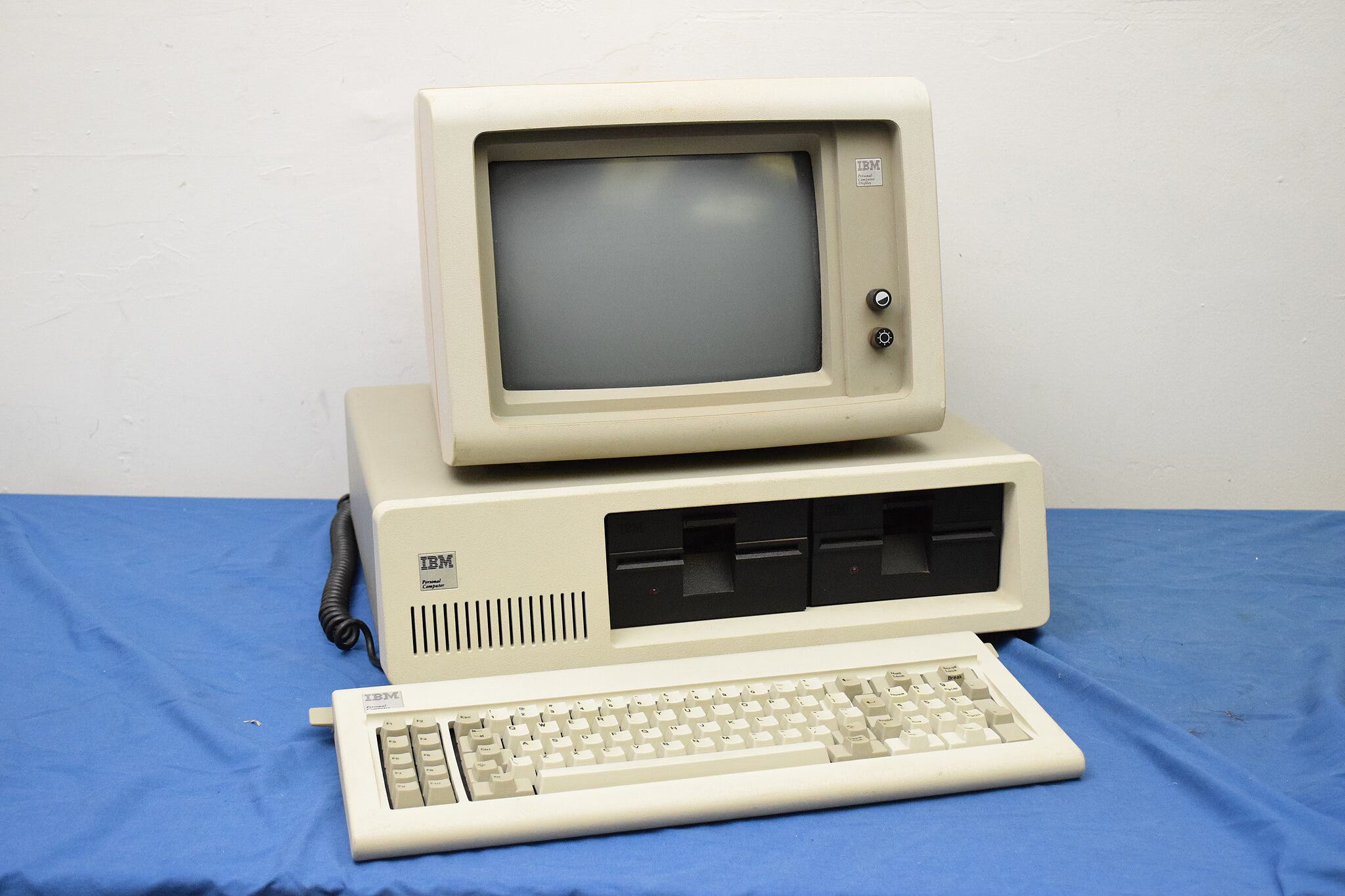
Todd here. During the Cold War, people didn’t just use technology, they truly owned it. To own a machine was to be responsible for it: you maintained it, understood it, and maybe even modified it. Technology was a field of discovery, not a consumer category. It was personal. A “personal computer” wasn’t an appliance with subscription billing; it was a system you could open, tinker with, and tailor to yourself.
Early cyberspace reflected the same spirit with thousands of independently‑hosted pages connected in a rough, beautiful sprawl. You didn’t just log on and post a thought or picture; you built something. The metaphor back then was 'homeownership'—you bought a thing, learned how it worked, and made it yours.
Why is this interesting?
That metaphor has now been replaced by 'magic'.
In the smartphone era, the story flipped. Technology became “for everyone.” It was supposed to be intuitive, sealed, and maintenance‑free. We traded the logic of workshop tools for the illusion of frictionless enchantment and planned obsolescence - miracle objects that work until they don’t, then get replaced. The old matrix of “cyberspace” (user‑built, experimental, decentralized) has been paved over by what we now call “services.” You lease your tools from trillion‑dollar landlords and hope the cloud doesn’t go down while you're eating dinner.
It’s easy to blame Apple, Google, or Amazon for engineering this, but that’s only half the story. The other half is us. As users, we stopped caring how anything works. We fell in love with the convenience, the dopamine, the minimalist industrial design. We accepted the tradeoff of permanent technological adolescence in exchange for seamlessness. People even started calling this a “walled garden.”
Isaac Asimov envisioned universal science access turning billions of us into semi-engineers tinkering, repairing, and understanding. Mass adoption did the complete opposite, with passive users chained to unfixable devices. "Right to repair" doesn't evaporate because of corporate evil, but apathy. No one tinkers anymore. Most don't even miss it, knowing computers only as disposable phones for the same five apps.
Ironically, 2026's tech is incomparably more advanced than anything dreamed of in 1998, yet we've regressed. That open, infinite future of creative possibility never came, and we got shinier fences instead.
The death of repairability isn’t just about gadgets, it’s about how people think.
When the world becomes too complex to fix, people stop believing they can change it. They stop learning how things work and start treating everything, from physics to politics, as a sealed box. Once, the metaphors were engineering and innovation. Now they’re automation and compliance. Once you saw the Internet as a space to build in, now it’s a mall to shop in. Every “update” trains us to be a little less competent, a little more dependent, and a little more grateful not to have to look under the hood.
That’s why right‑to‑repair laws matter. They’re one of the last vestiges of this older idea that citizens should be owners, not users; engineers, not clients. Not because everyone should solder capacitors in their kitchen, but because understanding and stewardship are what kept the early Internet, and the culture of technology itself, alive.
We used to treat tools like homes. Now we treat them like hotel rooms.
And the terrifying part is... most people prefer it that way. (TO)