Karim Mohamed | March 16, 2026
The Monday Media Diet with Karim Mohamed
On African EdTech, entrenched thinking, and Naomi Alderman
Recommended Products
An exploration of how societies navigate periods of technological upheaval driven by new information systems, highlighting parallels with historical events like the printing press and the ensuing ideological conflicts.
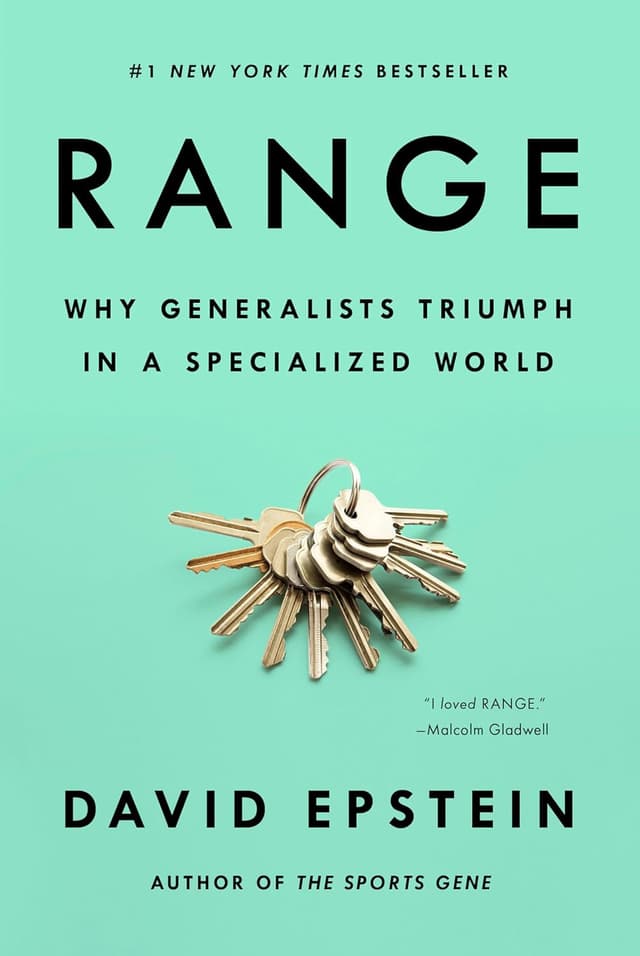
A book that makes the case for the benefits of a broad approach to learning and problem-solving, illustrating how generalists can excel in a specialized world.
A universal save-for-later app designed to help organize and revisit saved content from across social media, including bookmarks and numerous browser tabs.
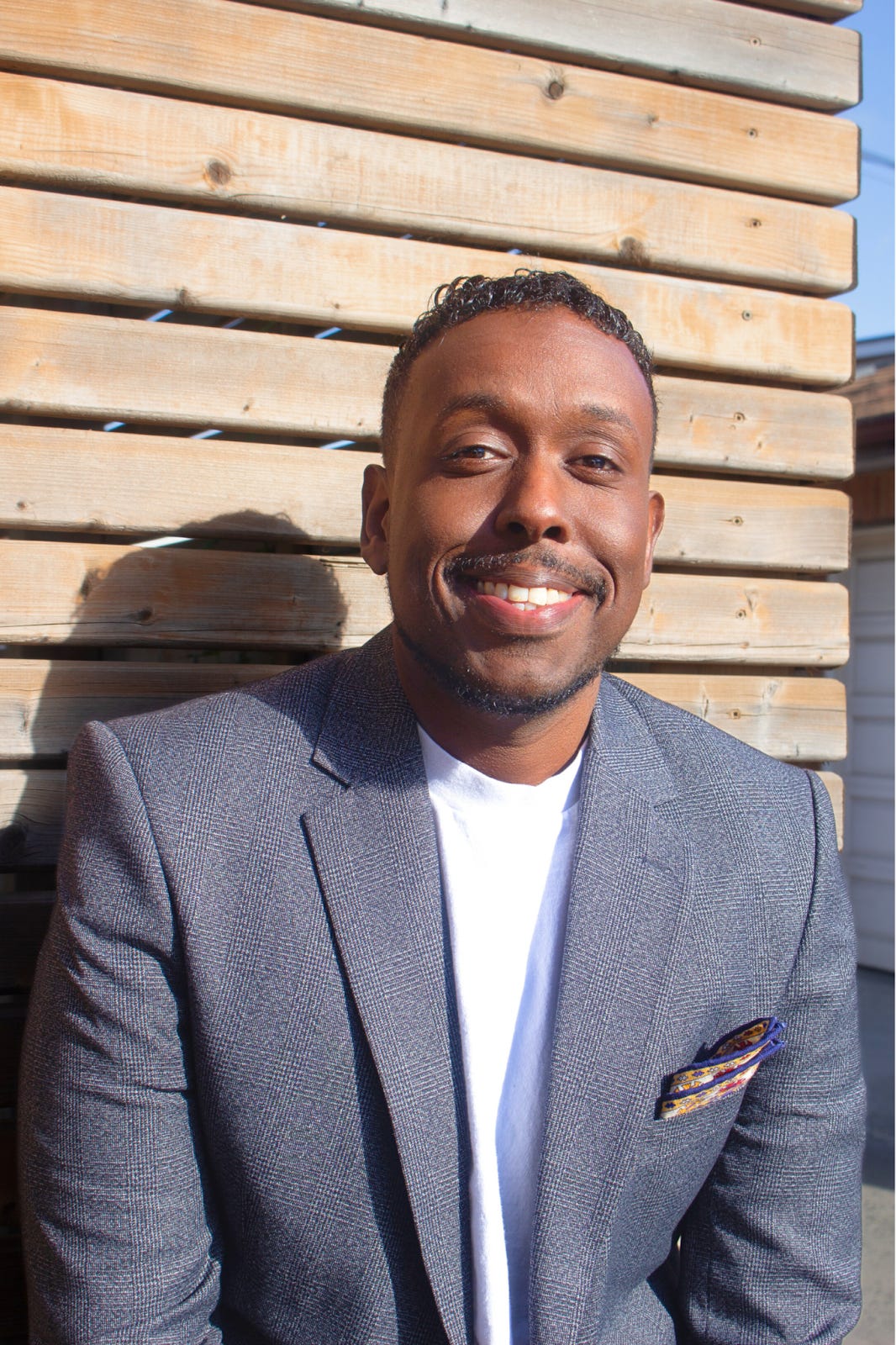
Karim Mohamed (KM) is an African investment strategist and advisor. Delighted to have him with us this week. -Colin (CJN)
Tell us about yourself.
I’m Karim Mohamed, an African investment strategist and advisor working at the intersection of capital, technology, and economic development.
I started my career as an engineer designing robots used across Canada’s nuclear power plants before moving into investing in Africa. In practical terms, my recent work has included launching a $10M African EdTech Fund, leading investments across sectors from e-mobility to the creative economy, and currently advising the relaunch of a national development bank in Somalia. This work sits under the umbrella of Insight54.
A secondary passion, and muscle, I’ve learned to embrace is what I jokingly call “shit disturbing.” Working in Africa often means operating within ecosystems shaped by decades of entrenched thinking. Some of it is rooted in ignorance, others in racism, and most in systems historically designed to extract from the continent rather than build within it. Challenging those assumptions is rarely comfortable, but it is often necessary. For me that’s taken the form of Op-eds and investor insight articles in some of Africa’s leading technology publications, covering topics like AI in African education.
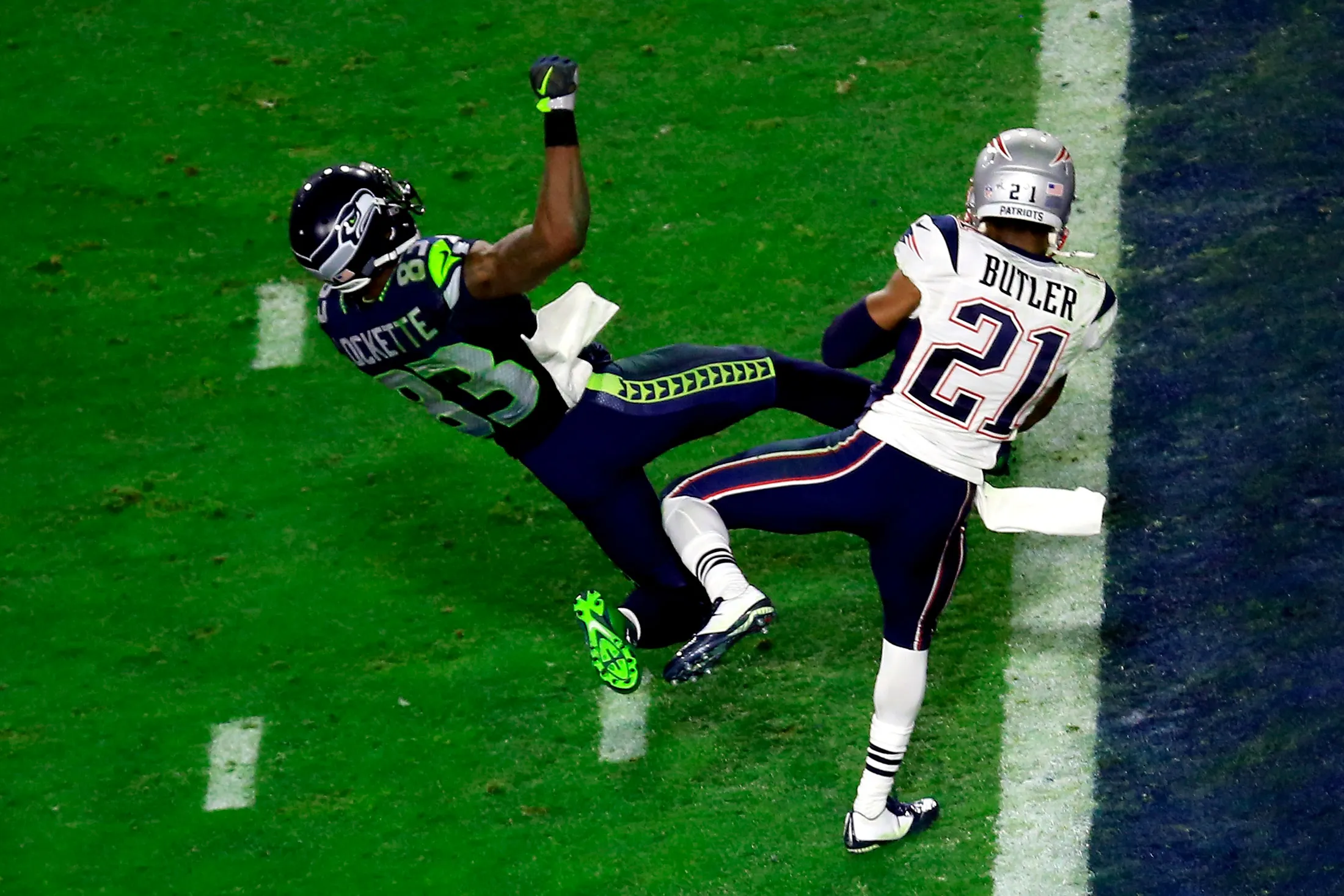
I’m an avid sports junkie who’s constantly pained that live NBA and NFL games tend to come on between 2am and 5am in the time zones I frequent most often. My best live-sports time zone hack was watching Super Bowl XLIX in Hong Kong over a breakfast buffet (the Patriots beat the Seahawks).
Over the past decade life has pulled me across five countries, from Toronto (“home”), to Singapore, Ghana, Kenya, and now Vienna (Austria).
Describe your media diet.
My daily media diet tends to be my Twitter (sorry ‘X’) feed. Despite the algorithmic changes, I still find it provides a random but perfect balance of stories related to sports, African tech and development, and the occasional internet rabbit hole.
I’m also a huge podcast consumer. Regulars in my rotation include::
General News: The Daily and Front Burner
Sports: The Zach Lowe Show, Pablo Torre Finds Out and Mind The Game.
Business Deep Dives: Acquired, The Town with Matthew Belloni and Afrobility: Africa Tech and Business
Social Commentary: What Now? With Trevor Noah and The Indicator from Planet Money.
In terms of publications, The Economist is something I consume nearly weekly, supplemented by frequent reads from places like:
Rest of The World: tech publication focusing on stories outside the Western bubble, highlighting how technology impacts lives in places like Africa, Asia, and Latin America.
Semafor: A global news outlet known for its ‘Signal vs Noise’ format.
How We Made it in Africa: A pan-African business publication featuring long-form interviews with entrepreneurs and investors .
Lastly, TikTok is the perfect wrapping paper for my media diet, equal parts random, hysterical, and occasionally informative.
What’s the last great book you read?
Don’t Burn Anyone at the Stake Today by Naomi Alderman — an exploration of how societies navigate periods of technological upheaval driven by new information systems. Especially relevant today as AI simultaneously expands access to knowledge while flooding the internet with synthetic content that can easily lead us off course.
I enjoyed Naomi’s use of historical perspective to remind us that the chaos we feel today isn’t entirely new. For example, the printing press democratized access to religious texts, helped spark the Protestant Reformation, and ultimately fueled centuries of ideological conflict. It’s a powerful reminder that when information suddenly becomes widely accessible, societies often go through messy periods before new norms and institutions emerge. Alderman uses examples such as people being burned at the stake to illustrate how sudden expansions in access to information can intensify ideological conflict.
What are you reading now?
Having spent much of the past decade living in Africa, I’ve resorted to audiobooks as my primary avenue for accessing new books that are often unavailable in local bookshops. The most recent example is Misunderstood: A Memoir by Allen Iverson, a candid reflection on his life and career, exploring the pressures of fame, the controversies that followed him, and the story behind one of the most influential players in modern basketball.
Iverson, during his Georgetown days, was my introduction to basketball. He quickly became my favorite player and, nearly 30 years later, I’m still a diehard fan of the Philadelphia 76ers—still trusting the process!
What’s your reading strategy when you pick up a print copy of your favorite publication?
Slam Magazine was my first true publication love, and it heavily shaped how I read today. My strategy is usually to skim through a publication first, mentally ranking the articles that seem most interesting before diving in. With the weekly edition of The Economist, this often means starting with the Africa and Middle East section, followed by Business, Finance & Economics and Science, then the Culture section, and finally picking through a few articles across the remaining sections.
I rarely read publications cover to cover in a linear format. I prefer charting my own unique, and often slightly nonsensical, path through them.
Who should everyone be reading that they’re not?
David Epstein’s writing, specifically his last book Range: Why Generalists Triumph in a Specialized World. It was a key enabler in helping me switch from engineering and muster the courage to leave Canada and return to Africa focused on investments.
What is the best non-famous app you love on your phone?
Recently I’ve been using Albo – The Feel Good Project, which has a great tool for organizing my habit of saving bookmarks and accumulating hundreds of browser tabs. Albo is essentially a “universal save-for-later” app designed to help people organize and actually revisit the content they save from across social media.
Plane or train?
Planes are more practical for my somewhat regular trips between Africa, Europe, and Canada. For anyone flying to Africa, I cannot stress enough the value of avoiding transiting through European hubs when possible. Flights to the continent are often routed through separate terminals with noticeably second-tier services. The biggest offender is Brussels Airport Terminal T.
What is one place everyone should visit?
Lamu, Kenya.
There’s something about Lamu that feels like stepping outside the modern world for a moment. It’s one of the oldest continuously inhabited towns on the East African coast, where donkeys still outnumber cars and the pace of life slows down to the rhythm of the Indian Ocean. For me, it captures a side of Kenya, and Africa more broadly, that many people never see: centuries of Swahili culture, incredible food, and sunsets that make it very easy to lose track of time.
Tell us the story of a rabbit hole you fell deep into.
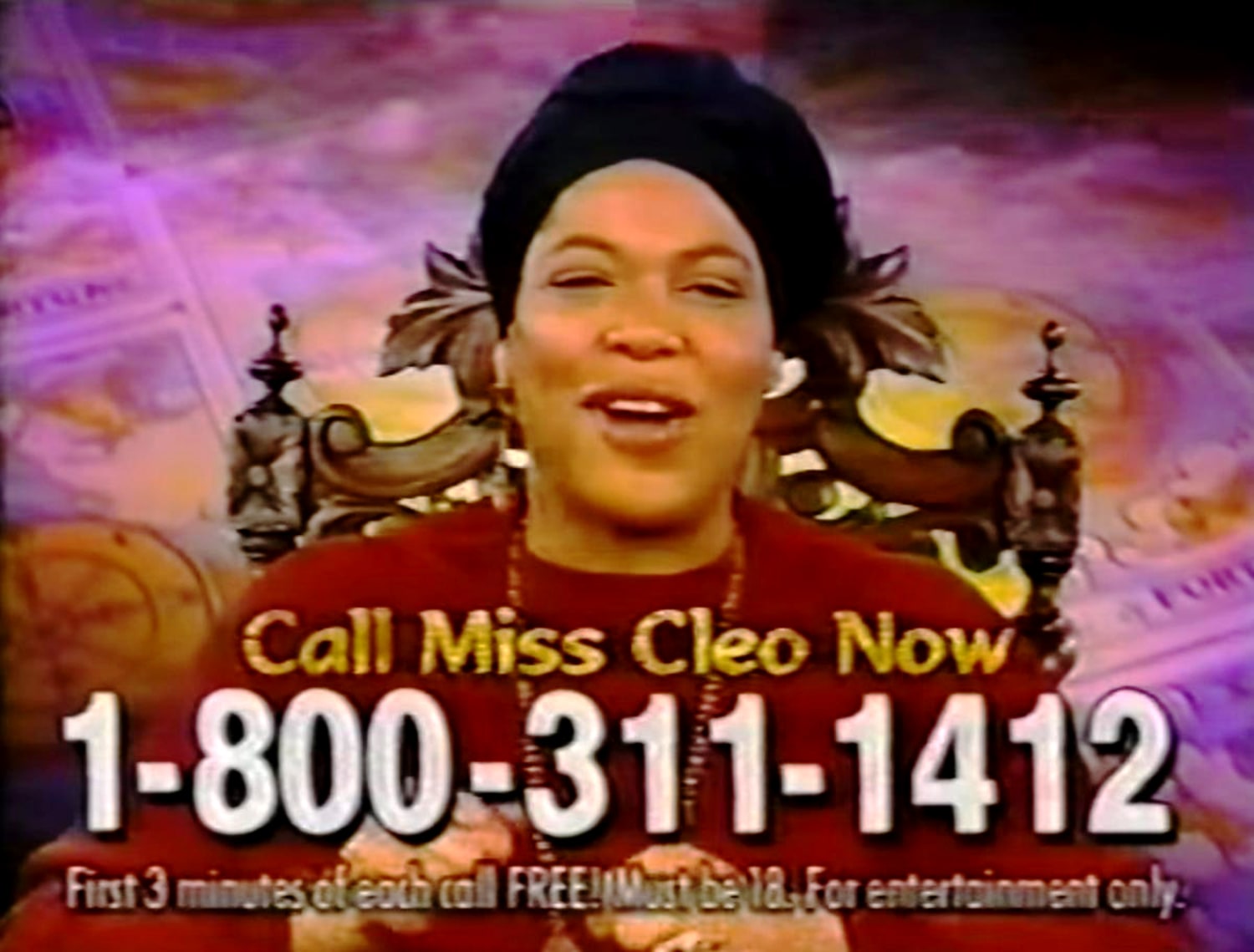
My Instagram is often dedicated to “Karim Story Time,” a running series of stories documenting new and occasionally shocking discoveries. During the pandemic, for example, I discovered and joked that America’s first Black woman billionaire wasn’t Oprah Winfrey or Sheila Johnson (founder of BET). The real answer, jokingly, was Miss Cleo from the infamous psychic hotline empire of the 1990s and early 2000s. At its peak, the network behind the hotline billed consumers roughly $1 billion, generating as much as $24 million a month. Meanwhile, Youree Dell Harris, the actress who played Miss Cleo, was reportedly paid just $15 an hour. (KM)